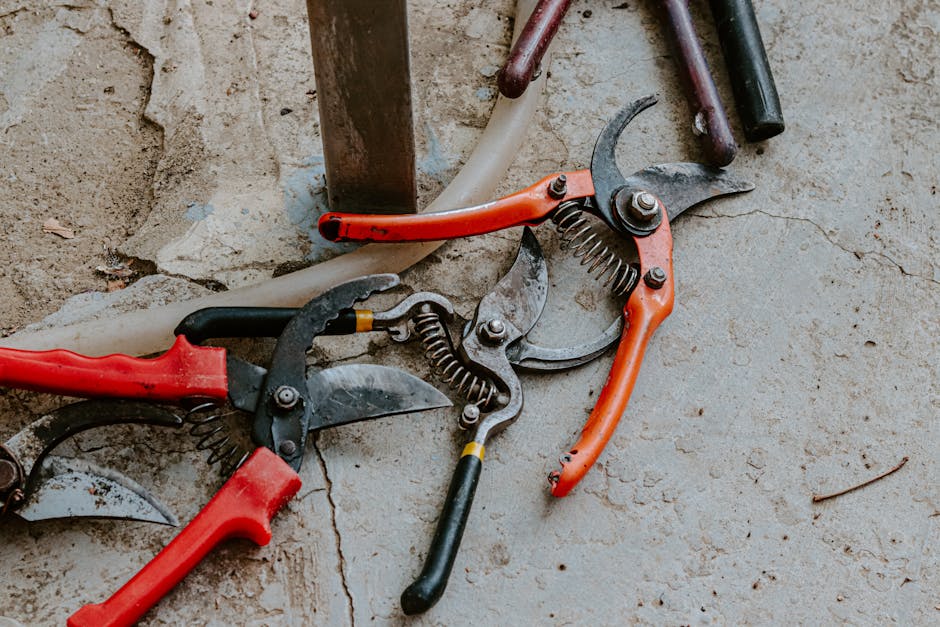
What to know about urgent garden repairs Sanderstead gardeners
When a garden problem turns urgent, it rarely arrives neatly. One day the fence is standing, the next day it is leaning after a windy night. A patio edge becomes loose. A tree branch drops across a path. Or the whole space just feels unsafe, messy, and a bit out of control. That is exactly why understanding what to know about urgent garden repairs Sanderstead gardeners matters: you want fast, sensible action, not guesswork.
In Sanderstead, gardens often need a practical mix of care and quick fixes because weather, overgrowth, ageing timber, poor drainage, and heavy use can all cause problems at once. This guide breaks down what counts as urgent, how gardeners usually handle it, what to expect from the process, and how to make a good decision under pressure. No fluff. Just the useful stuff, explained in plain English.
If you are dealing with broken structures, damaged planting areas, fallen branches, or a garden that has become difficult to use safely, you will find a clear next step here. And if the problem is bigger than one repair, it may be worth looking at the wider services overview so you can see how emergency repairs fit alongside longer-term maintenance and landscaping work.
Table of Contents
- Why urgent garden repairs matter
- How urgent garden repairs work
- Key benefits and practical advantages
- Who this is for and when it makes sense
- Step-by-step guidance
- Expert tips for better results
- Common mistakes to avoid
- Tools, resources and recommendations
- Law, compliance, standards, or best practice
- Options, methods, or comparison table
- Case study or real-world example
- Practical checklist
- Conclusion
- Frequently asked questions
Why urgent garden repairs matter
Urgent garden repairs are not just about making things look tidy. They are about safety, access, and preventing small issues from turning into expensive ones. A loose fence panel may seem minor until a strong gust pushes it over. A blocked drain might just look like standing water until it starts undermining a path or soaking the lawn. Truth be told, gardens are good at hiding damage until the moment they are not.
For homeowners, landlords, and property managers in Sanderstead, acting quickly can reduce risk and limit disruption. A damaged garden can create trip hazards, let pets out, make pathways unusable, or leave your outdoor space exposed to further weather damage. Even a short delay can mean a bigger repair, especially when timber rots, soil shifts, or plant growth presses into hard landscaping.
There is also the practical side. If you cannot safely mow, trim, or access your garden, daily upkeep becomes harder. That can snowball into larger clearance work later. In those cases, an urgent repair is often the first step before returning to normal care through garden maintenance or related services like lawn mowing and hedge trimming.
Key point: if the repair affects safety, access, structural stability, or drainage, treat it as urgent rather than waiting for the next routine visit.
How urgent garden repairs work
Most urgent garden repair jobs follow a simple pattern, even if the problem itself looks messy. First comes a quick assessment, then immediate containment, then the repair plan, and finally the tidy-up. A good gardener will usually want to understand what is unstable, what is safe to leave, and what needs attention right away. That may sound obvious, but under pressure it is easy to rush straight to the tools. Better to pause for a minute.
In practical terms, the process often looks like this:
- Initial contact and problem description. You explain what has happened, how long it has been like that, and whether there is any immediate danger.
- Visual assessment. The gardener checks the area, identifies hazards, and decides whether temporary securing is needed before repair work starts.
- Scope of repair. They determine whether it is a small fix, a partial replacement, or a larger remedial job.
- Priority work. The most urgent risks are addressed first, such as stabilising a fence, removing broken branches, or making a path safe.
- Follow-up work. If the problem has wider causes, the team may suggest clearance, landscaping, or longer-term improvements.
The response time depends on workload, weather, access, and the type of damage. For example, a fallen branch across a lawn is different from a dangerous tree issue or a collapsed boundary panel. In many cases, it helps to book a company that can handle both emergency tasks and broader outdoor work, including tree lopping and removal, garden clearance, and even landscaping if the repair reveals deeper design problems.
Key benefits and practical advantages
Urgent garden repairs give you more than a quick fix. They restore usable space, stop problems from spreading, and reduce the stress of living with something broken. That peace of mind matters. Anyone who has stared out of the kitchen window at a half-collapsed trellis for three rainy days knows exactly what I mean.
- Safety first: Damaged fencing, broken paving, unstable branches, and loose edging can create real hazards.
- Lower long-term costs: Fixing damage early often prevents larger structural or drainage issues later.
- Better appearance: A repaired garden instantly looks cared for, which matters if you are selling, letting, or simply trying to enjoy the space.
- Less disruption: When work is handled properly, your garden becomes usable again sooner.
- Clearer planning: An urgent repair visit can reveal whether a bigger project is worth considering, such as new hard landscaping or decking upgrades.
There is also a quality-of-life benefit that people underestimate. A safe, tidy outdoor area makes the whole property feel calmer. Even a small repair can change how you use the space day to day. You stop avoiding that side path. The kids can play outside again. The back gate opens without wobbling like a loose tooth. Small thing, big difference.
Who this is for and when it makes sense
Urgent garden repairs are for anyone who needs an outdoor problem dealt with promptly, but the exact trigger varies. Some people call after storm damage. Others notice rot, shifting soil, or a structure that has started to lean. Some just know the garden has crossed the line from untidy to unsafe.
This kind of service usually makes sense if you are:
- a homeowner with a broken fence, path, wall edge, or unstable planting area
- a landlord preparing a property between tenancies
- a homeowner recovering from storm damage or severe weather
- someone trying to prevent a hazard before visitors arrive
- a person with limited time or mobility who cannot tackle the issue safely
- a property manager needing a quick, presentable fix before a check or handover
It can also make sense if the repair is part of a wider upgrade. For instance, a rotting timber edge might be repaired during a bigger outdoor improvement plan, or a damaged seating area may lead naturally into decking services. On the other hand, if the whole garden is cluttered and difficult to manage, garden clearance may be the more sensible starting point.
Not every problem needs a dramatic response. Sometimes a temporary brace, a safe cut-back, or a quick re-set is enough. But if the issue is getting worse by the day, that is your clue.
Step-by-step guidance
If you are dealing with a garden repair in real time, the simplest approach is usually the best one. Here is a practical way to handle it without overcomplicating things.
1. Make the area safe
Keep people, pets, and vehicles away from the damaged section. If a branch has fallen, do not assume the rest of the tree is stable. If a fence is leaning, do not push it upright without checking what is supporting it. A quick boundary marker or temporary barrier is often enough.
2. Take a close look, but only from a safe position
Identify what is actually wrong. Is the issue cosmetic, or is it structural? Is water pooling because of a blocked area, or has the ground shifted? If you can take clear photos, that helps explain the job later.
3. Decide whether this is a repair, a clearance job, or both
This part matters more than people think. A fallen hedge may need trimming, but a storm-damaged section buried in debris may need clearance first. A damaged lawn might need levelling and then reseeding, not just a quick patch. Choose the right starting point and the rest becomes much easier.
4. Ask for a clear scope of work
Before any work begins, make sure you understand what will be repaired immediately, what will be left for later, and what may need follow-up. A sensible gardener will explain this in straightforward language, without hiding behind jargon. If the issue affects budget or timing, pricing and quotes should be discussed openly.
5. Plan for the clean-up
Urgent repairs can create debris: branches, old timber, broken fixtures, and stripped plant material. A good finish should include clearing away waste responsibly, and if the site is heavily cluttered, it may be useful to follow up with recycling and sustainability considerations so the waste is handled properly.
6. Check the result after the work
Walk through the area. Open gates. Test access points. Look at drainage after water settles, if that was part of the problem. A repair is only truly complete when the garden is safe to use again.
Expert tips for better results
Here is the short version: do not treat every urgent repair as a one-tool job. The best outcomes usually come from looking one layer deeper. Why did the damage happen? Was it wind, decay, poor installation, soil movement, or simple neglect? If you only fix the visible symptom, the same issue often comes back.
From a practical point of view, these tips help a lot:
- Act early after bad weather. Wet timber, softened soil, and disturbed roots can worsen quickly over the next day or two.
- Use the repair to spot hidden issues. A leaning fence may reveal rotten posts. A sunken path may point to drainage or subsidence in the base.
- Keep temporary measures simple. Sometimes a secure, tidy short-term solution is better than a rushed permanent fix.
- Prioritise access routes. Gates, side passages, and steps should come before decorative details.
- Ask about future maintenance. A repaired hedge, lawn edge, or boundary may need follow-up care to stay stable.
Expert summary: The smartest urgent repair is the one that fixes the immediate risk and also tells you what caused it. Otherwise you are just buying time, and not always much of it.
A slightly old-fashioned but useful habit: stand back and look at the whole garden, not just the damaged patch. Nine times out of ten, the surrounding area gives you the clue you need. Soil heave, blocked corners, overgrown pressure points, water marks on timber - the story is usually there if you look.
Common mistakes to avoid
People often make urgent repairs harder by reacting too fast or waiting too long. Both are common, and both are avoidable.
- Ignoring the cause. If a panel fell because the post rotted, replacing only the panel is a false economy.
- Starting unsafe DIY work. Branches under tension, unstable structures, and heavy materials can be risky. Not every job is a weekend project, despite what the internet likes to suggest.
- Choosing the cheapest quick fix without checking scope. Low price means little if the work does not solve the problem.
- Forgetting drainage. A wet patch, sinkhole, or mud line can point to a deeper issue.
- Skipping the clean-up. A repaired garden that is still full of debris feels unfinished and can create new hazards.
- Assuming all gardeners handle the same jobs. Some repairs need maintenance skills, others need clearance, pruning, or heavier landscaping knowledge.
One small but important point: if a problem seems to involve a tree close to a boundary, building, or power line, do not treat it casually. Even if it looks manageable from the ground, it may need specialist attention. Better cautious than brave, as they say.
Tools, resources and recommendations
For immediate garden repair work, the best tools are the ones that match the job rather than trying to do everything. In real life, that usually means a blend of cutting, lifting, stabilising, and clearing equipment. A gardener may use hand tools for precision and heavier kit for larger removals or tidying.
Useful items and supports often include:
- Securing materials: temporary supports, ties, stakes, or braces for unstable plants or structures
- Cutting tools: for broken stems, overgrowth, or damaged edges
- Clearing equipment: for branches, clippings, and debris after a storm
- Protective gear: gloves, sturdy footwear, eye protection, and appropriate handling equipment
- Access tools: ladders or reach tools only when safe and suitable for the task
If the repair is part of a bigger outdoor reset, it may be sensible to combine it with landscape gardening or broader landscaping work so the garden is improved rather than merely patched. That is especially helpful where repeated damage comes from poor layout, narrow access, or weak materials.
It also helps to choose a provider with clear company information and straightforward policies. You can review about the business, their approach to insurance and safety, and how they handle payment and security. A reliable service should not make you guess about the basics.
Law, compliance, standards, or best practice
Garden repair work in the UK is not always heavily regulated in the way building work is, but that does not mean standards do not matter. Quite the opposite. Good practice is about working safely, managing risk, and being sensible with waste, tools, and neighbouring boundaries.
Some important points to keep in mind:
- Safety comes first. Any repair involving unstable structures, height, sharp tools, or heavy lifting should be handled with proper care.
- Waste should be managed responsibly. Clippings, branches, timber, and soil should be separated and disposed of or recycled appropriately where possible.
- Neighbour and boundary considerations matter. If a repair affects shared fencing, overhanging growth, or access near property lines, good communication avoids arguments later.
- Insurance and clear terms are sensible. For work that could involve accidental damage risk, it is wise to confirm the provider's insurance and working practices before the job begins.
If a contractor is bringing equipment onto your property, or handling repair work near hard surfaces and structures, health and safety practices should be part of the conversation from the start. You can also check a provider's health and safety policy and related operational information if available. It is not over-cautious to ask. It is just sensible.
For jobs that generate a lot of organic waste, discussing recycling and sustainability is a good sign. It usually means the team is thinking beyond the first sweep of the broom.
Options, methods, or comparison table
Not every urgent garden problem needs the same kind of response. Here is a simple comparison to help you judge the right path. Sometimes people think they need a full garden redesign when they really need a fast repair and a bit of common sense. Happens all the time.
| Issue | Best short-term approach | When a bigger solution makes sense |
|---|---|---|
| Leaning fence or damaged boundary | Stabilise or replace the failed section | If posts are rotten or multiple panels are failing |
| Fallen branches or storm debris | Clear hazards and remove loose material | If the tree or shrub has structural damage |
| Unsafe path or loose edging | Make the route safe and repair the weak spot | If the base is lifting or drainage is poor |
| Overgrown access blocked by plants | Trim back and clear the route | If the area needs wider re-planning |
| Damaged decking or seating area | Repair or isolate the unsafe part | If boards, fixings, or supports are widely deteriorated |
As a rule, repair is best when the problem is localised. Clearance is best when debris or overgrowth is blocking the garden. Landscaping is best when the layout itself is part of the problem. Knowing the difference saves time and usually saves money too.
Case study or real-world example
Picture a typical Sanderstead back garden after a windy night. A fence panel has bowed inward, two branches are down across the lawn, and water has gathered near a side path. Nothing dramatic enough to call it a catastrophe, but enough to make the garden awkward and a bit unsafe.
The first sensible step is to make the area inaccessible. Then the damaged branches are cleared, the fence is assessed, and the wet patch is checked to see whether the issue is simply rainwater or something deeper in the soil structure. In a case like this, a gardener might decide the fence needs a post repair, the path needs a small re-level, and the blocked area needs light clearance rather than a full redesign.
That is the thing about urgent repairs. They often reveal a second layer of work. In one real-world style scenario, a homeowner expects a single repair visit but ends up also arranging follow-up garden maintenance because the overgrown hedge was pressing into the fence and contributing to the damage. No drama. Just a sensible chain of fixes.
And yes, sometimes the right answer is a bit unglamorous: cut back the plant, replace the post, clear the debris, check the drainage. Not every garden problem needs a grand solution. Often it needs a solid one.
Practical checklist
Use this checklist when you are deciding whether a garden issue needs urgent attention:
- Is anyone at risk of tripping, falling, or being struck by something unstable?
- Has a fence, wall edge, gate, branch, or structure become loose or leaning?
- Is water pooling where it should drain away?
- Has damage appeared after wind, heavy rain, frost, or neglect?
- Is access to the garden blocked or unsafe?
- Is the problem getting worse day by day?
- Will a temporary fix be enough, or is a proper repair needed now?
- Does the job create debris that must be cleared properly?
- Would the issue affect tenants, visitors, children, pets, or neighbours?
- Could the repair reveal a bigger maintenance or landscaping issue?
Quick rule: if you answered yes to two or more of the first five, treat it as urgent.
Conclusion
The main thing to understand about urgent garden repairs is that speed matters, but judgement matters more. You want the damaged area made safe quickly, but you also want the cause understood properly so the problem does not return next month. That is the difference between a patch and a proper fix.
For Sanderstead homeowners and property managers, the smartest approach is usually simple: secure the area, assess the damage, choose the right type of work, and make sure the repair is finished cleanly. If the issue sits alongside overgrowth, poor access, or a tired layout, it may also be the right moment to think about broader improvements, not just the emergency fix.
Get a free quote today and see how much you can save.
And if you want to understand the team behind the work before you book anything, take a look at the company's about us page and then decide at your own pace. A calm, safe garden is worth getting right. Simple as that.
Frequently Asked Questions
What counts as an urgent garden repair?
An urgent garden repair is any issue that affects safety, access, or the stability of your outdoor space. Common examples include broken fencing, fallen branches, loose paving, damaged decking, or blocked paths after bad weather.
Should I try to fix urgent garden damage myself?
Only if the problem is small and clearly safe to handle. If anything is unstable, heavy, high up, or close to a boundary or structure, it is better to get help. A quick DIY attempt can turn into a bigger mess very easily.
How fast should urgent garden repairs be done?
As fast as reasonably possible, especially if people could trip, fall, or get injured. Some issues need immediate containment first, then proper repair work once the site is safe.
Do urgent repairs always need a full garden clearance?
No. Sometimes a small repair is enough. But if debris, branches, or overgrowth is blocking the area, clearance may need to happen first so the repair can be done properly.
What if the damage was caused by a storm?
Storm damage often means the visible problem is only part of the story. Posts may be loosened, roots disturbed, or water channels altered. It is wise to inspect the wider area, not just the obvious break.
Can a gardener repair fencing, paths, and plants in the same visit?
Often, yes, if the jobs are related and the team has the right skills. A good gardener will usually tell you whether the work can be completed together or whether it needs to be split into stages.
How do I know whether I need repair or landscaping?
If the problem is localised, repair is usually enough. If the whole layout is causing the issue, or the garden keeps failing in the same place, then landscaping may be the better long-term option.
Will urgent garden repairs be expensive?
That depends on the damage, access, materials, and the amount of labour needed. Small fixes are usually less costly than repairs that involve replacing rotten supports, re-leveling ground, or removing larger debris.
Is tree work included in urgent garden repairs?
Sometimes. If the issue involves fallen branches, dangerous limbs, or a tree that needs attention, a provider may need to handle it through specialist tree work such as tree lopping and removal.
What should I ask before booking a repair?
Ask what is wrong, what needs to happen immediately, whether clearance is needed, how the area will be left, and whether the repair could reveal a bigger issue. It is also sensible to ask about pricing, insurance, and safety practices.
Do urgent repairs include clean-up and waste removal?
They should, in most cases. The garden ought to be left safe and usable, not just patched up. If a lot of debris is involved, confirm whether waste removal is included or needs to be arranged separately.
When should I combine urgent repairs with regular maintenance?
When the repair reveals an underlying pattern, such as overgrown hedges pushing into fencing, grass hiding drainage issues, or neglected areas making access difficult. In those cases, a follow-up maintenance plan makes a lot of sense.
How do I choose a trustworthy local gardener?
Look for clear service information, sensible communication, and straightforward policies on safety, payment, and complaints. A provider that explains the work in plain language is usually easier to trust than one that sounds polished but vague.