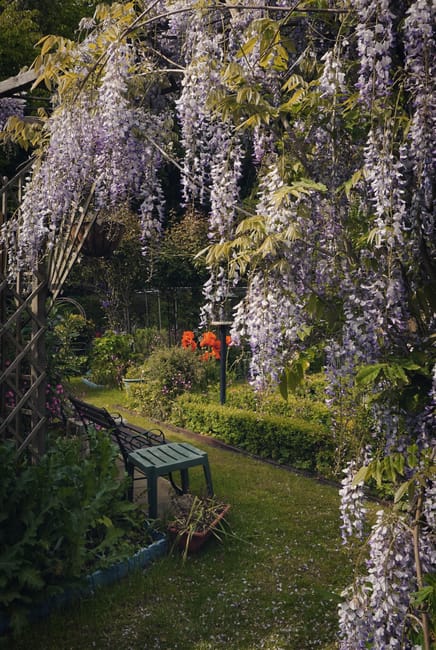
Croham Hurst slope garden guide for gardeners in Sanderstead
If you garden anywhere near Croham Hurst, you already know the feeling: one side of the garden looks charmingly elevated, and the other side seems determined to slide downhill after the first decent rain. That is exactly why a Croham Hurst slope garden guide for gardeners in Sanderstead matters. Sloping gardens can be beautiful, but they ask for a different kind of planning, a bit more patience, and a few sensible decisions upfront.
This guide walks through what actually works on a slope, how to stop routine maintenance becoming a weekly battle, and when it makes sense to bring in professional help. You will find practical steps, common mistakes, and a simple way to think about drainage, planting, access, and long-term stability. No fluff. Just the stuff that helps a garden stay usable, neat, and enjoyable, even when the ground has other ideas.
Contents
- Why slope gardens in Croham Hurst need a different approach
- How slope gardening works in practice
- Key benefits and practical advantages
- Who this is for and when it makes sense
- Step-by-step guidance
- Expert tips for better results
- Common mistakes to avoid
- Tools, resources and recommendations
- Law, compliance, standards and best practice
- Options, methods and comparison table
- Case study or real-world example
- Practical checklist
- Conclusion
- Frequently asked questions
Why Croham Hurst slope garden guide for gardeners in Sanderstead Matters
Slope gardens are not just "flat gardens with a tilt". The slope changes everything: how water moves, where soil washes away, how safe it feels underfoot, and how you maintain planting beds without constantly slipping, straining, or redoing your own work. In Croham Hurst, that becomes even more noticeable because many gardens sit in leafy, mature surroundings where tree roots, shade, and uneven ground all influence what thrives.
For gardeners in Sanderstead, the practical challenge is often this: how do you make a steep or semi-steep garden look intentional rather than awkward? The answer is usually a mix of structure, planting choice, and maintenance rhythm. A slope can become the best part of the garden if it is handled properly. Honestly, it can be the part people remember most.
There is also the day-to-day reality. A well-designed slope is easier to mow, prune, weed, and water. A poorly managed one tends to develop bare patches, runoff, muddy paths, and plants that keep sulking every time the weather turns. One wet afternoon is all it takes for the cracks to show. A little planning saves a lot of tidying later.
For homeowners who want broader support with ongoing care, it can help to look at garden maintenance alongside local design decisions, because the two are tightly linked on sloped ground. The more practical the layout, the easier the upkeep. Simple as that.
How Croham Hurst slope garden guide for gardeners in Sanderstead Works
The basic idea is to work with the slope rather than fight it. That means breaking the space into usable zones, slowing water movement, choosing plants that can hold soil, and making access safe and sensible. On a flat plot, you can often improvise. On a slope, improv is rarely your friend.
In practice, the process usually starts with understanding three things:
- The angle of the slope: gentle, moderate, or steep.
- The drainage pattern: where water gathers, runs off, or causes erosion.
- The intended use: ornamental planting, family use, wildlife value, or low-maintenance structure.
Once those are clear, you can decide whether the garden needs terracing, stepped beds, retaining features, ground cover planting, edging, or a combination of all of them. A lot of the time, the best result comes from small interventions rather than one dramatic overhaul.
For example, if the top of the garden dries out quickly while the bottom stays soggy, the slope is already telling you how it wants to behave. That is useful information, not a nuisance. Use it.
Where a garden has become cluttered or overgrown, a cleaner starting point makes all the rest easier. In those cases, garden clearance can create the blank canvas needed before reshaping beds, edges, or access routes. Truth be told, a tidy reset often exposes problems you could not see before.
Key Benefits and Practical Advantages
A good slope garden design gives you more than a neat look. It gives you control. That might sound dry, but control is what keeps a sloping garden from becoming a constant maintenance job.
- Better drainage management: water is guided, slowed, and absorbed more effectively.
- Less erosion: plants, edging, and retaining features help the soil stay put.
- Safer access: steps, paths, and level landing points reduce slips and awkward footing.
- Clearer structure: the garden feels planned instead of accidental.
- Easier maintenance: mowing, pruning, and watering become more manageable.
- Better planting success: the right plants are more likely to establish and spread.
There is also a visual benefit that people sometimes overlook. Slopes create natural sightlines, so even a simple planting scheme can look more dramatic than it would on level ground. A low drifts of plants, a few layered shrubs, and a clean edge can look quietly lovely, especially in the late afternoon when the light catches the texture. Small detail, big difference.
If you are looking at more ambitious reshaping, the broader landscape gardening and landscaping services pages are useful references for how structural and planting choices can work together. Not every slope needs a major build, but some do benefit from stronger structure.
Who This Is For and When It Makes Sense
This guide is for gardeners in Sanderstead who are dealing with anything from a gentle rear-garden incline to a more noticeable Croham Hurst-style slope that makes the garden feel awkward, uneven, or underused. It is especially relevant if you recognise any of these situations:
- water runs downhill and pools at one end after rainfall
- soil is washing away from beds or borders
- the lawn is patchy because mowing on the incline is difficult
- plants keep failing in the same areas
- access feels unsafe for children, older relatives, or visitors
- the garden looks bigger than it is, but not easier to use
It also makes sense if you are planning a redesign and want to avoid a beautiful-but-impractical result. A steep garden can look impressive, yes, but if nobody wants to step into it, what have you really gained?
People often reach a turning point after one of two events: either they have tired of constantly fixing the same problem, or they have just moved into a property and want to get ahead of the mess before it grows teeth. Both are fair reasons. No judgement.
If your slope has become part of a larger maintenance issue, supporting services such as lawn mowing and hedge trimming can be important too, because a slope rarely exists in isolation. The whole garden tends to influence the slope, and vice versa.
Step-by-Step Guidance
Here is a practical way to tackle a slope garden without making it more complicated than it needs to be.
1. Start with a proper walk-through
Look at the slope from top to bottom after dry weather and again after rain. Notice where water travels, where mud appears, and which areas feel unstable. Take a few photos. It sounds basic, but photos help you see patterns you miss in real time.
2. Decide what the garden needs to do
Ask yourself whether the space should be mainly decorative, family-friendly, wildlife-focused, low-maintenance, or a mix. A slope can do several jobs, but it rarely does them all equally well unless you plan for it. That decision shapes everything else.
3. Create level points where you can
Terraces, benches, and small level landing areas help interrupt the fall of the slope. Even modest flat spaces can make a garden much more usable. You do not need the whole plot flattened. In fact, that is often the wrong goal.
4. Improve the soil before planting
Slopes often suffer from thin or dry soil at the top and compacted, wet soil lower down. Digging in compost, checking drainage, and matching plants to conditions gives you a far better chance of success. You are basically helping the slope stop behaving like a teenager. A touch dramatic, but not unfair.
5. Install practical edging or retention where needed
Timber edging, stone borders, small retaining walls, or well-built steps can help hold soil and define planting pockets. The key is not to overload the slope with hard features. Use them where they genuinely add stability or access.
6. Plant in layers
Use ground cover at the bottom edge, mid-height shrubs in the middle, and selected focal plants higher up. Layered planting slows runoff, reduces bare soil, and gives the garden depth. It also looks much better than trying to force a flat-garden look into a sloping space.
7. Plan maintenance access
Can you reach every bed without trampling it? Can you mow safely? Can you prune hedges without leaning on a slope at a weird angle? If not, the design needs adjusting. Maintenance should be part of the design, not an afterthought scribbled in the margins.
8. Review and refine seasonally
Spring and autumn are good times to reassess. Watch how plants settle, where rain collects, and which areas are becoming busy or neglected. Slope gardens often improve in stages, not all at once. That is normal.
Expert Tips for Better Results
Here are a few practical pointers that make a real difference, especially in a place like Sanderstead where established gardens often have mature trees, mixed shade, and variable soil conditions.
- Use root-friendly planting around mature trees: avoid needless digging near important roots.
- Choose plants that knit the soil: low, spreading species can reduce erosion better than isolated specimens.
- Keep water moving slowly: small swales, planting pockets, and rough mulch all help.
- Don't overcomplicate steps: even a basic, well-placed run of steps can be safer than a fancy one with poor footing.
- Mulch is your ally: it protects exposed soil and makes weeding less punishing.
- Think in maintenance cycles: every design choice should reduce future effort, not just look good on day one.
A small but important tip: if the slope is exposed to wind and sun, plants can dry out faster than you expect. You may notice the top third of the garden looking thirsty even when the bottom still feels damp. That difference is why a one-size-fits-all watering routine can fail.
Another thing people overlook is the benefit of using structure to create calm. A single good retaining edge, a neat path, or a well-placed decked seating area can stop the garden from feeling chaotic. If that sounds appealing, you may want to consider decking services as part of a wider slope strategy, especially where a raised viewing point or level seating zone would improve how the garden is used.
Common Mistakes to Avoid
Let's face it: slope gardens forgive less than flat ones. A few common mistakes show up again and again.
- Ignoring drainage: if water is already racing downhill, planting alone will not solve it.
- Choosing the wrong plants: delicate, shallow-rooted plants can struggle if soil shifts or dries too quickly.
- Leaving bare soil exposed: that is almost an invitation for erosion.
- Building paths without thinking about grip: pretty paving is no good if it becomes slippery in damp weather.
- Overcutting the slope: trying to make it completely flat can create more problems than it solves.
- Forgetting access: if you cannot comfortably reach the whole garden, upkeep will become patchy.
Another easy mistake is treating every part of the slope as the same microclimate. It is not. The upper section may be drier, the middle section more transitional, and the lower section wetter and heavier. If you plant the same way everywhere, some plants will be thriving and others will be quietly giving up.
And yes, weeds love a disturbed slope. They do. Rudely so.
Tools, Resources and Recommendations
You do not need a huge kit to manage a slope garden well, but you do need the right tools for safe, steady work.
| Tool or resource | Best use | Why it helps on a slope |
|---|---|---|
| Long-handled hand tools | Weeding, planting, light cultivation | Reduces bending and awkward balance |
| Wheelbarrow with good grip | Moving soil, mulch, debris | Safer than carrying heavy loads uphill |
| Sturdy gloves and boots | General maintenance | Improves footing and protects hands on rough ground |
| Spade and fork with solid handles | Border work and soil improvement | Helps with compacted or mixed soil layers |
| Mulch or bark dressing | Soil protection and moisture retention | Limits runoff and surface erosion |
| Professional garden support | Heavy reshaping, regular care, or complex access | Useful when the slope is too awkward or time-consuming to manage alone |
If the garden is becoming too much to keep on top of, a structured maintenance plan can help. That is where services overview and pricing and quotes are worth checking, especially if you want to compare what regular support might look like against one-off work. You do not need to rush. Just get clear on the scale of the task.
For gardens with overgrowth, unwanted self-seeded shrubs, or clutter from previous years, a combination of garden clearance and ongoing care often gives the cleanest reset. It is not glamorous, but it works.
Law, Compliance, Standards and Best Practice
For most home gardeners, slope work is less about formal regulation and more about sensible, safe practice. Still, there are a few things worth bearing in mind.
First, if you are altering retaining features, making major ground changes, or working close to boundary structures, it is wise to proceed carefully and check what applies to your property before starting anything substantial. In the UK, boundary ownership and drainage responsibilities can be a bit more complicated than people expect, so cautious planning is better than a rushed fix.
Second, safe access matters. Slopes can create genuine trip and slip risks, especially when tools, wet leaves, moss, or loose gravel are involved. Good practice usually means:
- wearing suitable footwear
- keeping routes clear
- working in manageable sections
- avoiding heavy lifting on unstable ground
- calling in help for larger or awkward jobs
Third, if you are hiring help, it is sensible to look at whether the provider has clear processes around safety and insurance. The website's health and safety policy and insurance and safety information are useful trust markers because slope work can involve heavy tools, moving loads, and uneven ground. You want competence, not just enthusiasm with a spade.
Environmental best practice also matters. Reusing healthy cuttings, composting where suitable, and planning for low-waste maintenance all help the garden stay sustainable. If you care about that side of things, the recycling and sustainability page is a good companion reference.
Options, Methods, or Comparison Table
There is no single best way to manage a slope garden. The right answer depends on the angle, soil, and how you want to use the space. Here is a simple comparison.
| Method | Best for | Pros | Trade-offs |
|---|---|---|---|
| Ground cover planting | Gentle to moderate slopes | Helps with erosion, softens the look, lower maintenance | Can take time to establish |
| Terracing | Steeper slopes | Creates usable flat areas, improves access | More structural work, more cost, more planning |
| Retaining edges | Mixed gradients and exposed borders | Contains soil, defines beds, improves tidiness | Needs proper installation to avoid failure |
| Decking or raised platforms | Seating areas and awkward corners | Creates level social space, great for views | Requires thoughtful build and maintenance |
| Simple maintenance-led approach | Lower-budget gardens | Practical, flexible, easier to phase | May not solve structural issues |
For many homeowners, the best result is a blend of methods. A slope might use planting at the base, a path or step run through the middle, and a small decked seating area at the top. That mix gives structure without making the garden feel overbuilt.
Case Study or Real-World Example
Imagine a typical Sanderstead rear garden with a noticeable drop from the house to the back boundary. At first glance, it looks like a difficult space. The lawn is patchy, the middle of the slope is worn from repeated foot traffic, and rain tends to pull fine soil down toward the lower beds.
Instead of trying to flatten everything, the approach is more measured. The top area is kept as a clean access zone near the house, with a small decked seating area for morning coffee. The middle section is reworked into layered planting with hardy shrubs and ground cover that can help hold the soil. The lower section is given stronger edging and moisture-tolerant planting where runoff naturally collects.
The change is not just visual. It becomes easier to walk, easier to water, and easier to keep tidy. The garden stops feeling like a slope you have to endure and starts feeling like a space you can actually enjoy. There is a quiet relief in that, especially when the rest of life is busy enough already.
If the garden had been overgrown from the start, a first-pass tidy-up using garden clearance would likely have been the most sensible first step, followed by a maintenance plan to keep things from sliding back into chaos. That sequence matters more than people think.
Practical Checklist
Use this checklist before, during, or after planning a slope garden in Croham Hurst or elsewhere in Sanderstead.
- Have I identified where water runs and where it pools?
- Do I know which parts of the slope are dry, shaded, or compacted?
- Have I decided whether the priority is planting, access, or structure?
- Are there any unsafe paths, loose surfaces, or awkward steps?
- Have I chosen plants that suit each section of the slope?
- Do I need retaining edges, terracing, or just better edging?
- Have I left enough access for regular maintenance?
- Would a deck, path, or seat area make the garden more usable?
- Is the area overgrown enough to need a clearance first?
- Do I need professional help for safety, scale, or long-term upkeep?
If you can tick most of those off, you are already ahead of the game. If not, that is fine too. It just means the garden is telling you where to start.
Get a free quote today and see how much you can save.
Conclusion
A slope garden in Croham Hurst is not a problem to solve once and forget. It is a living space that rewards thoughtful decisions and steady upkeep. If you respect the slope, work with drainage, choose the right planting, and keep access practical, the result can be one of the most distinctive gardens on the street.
For gardeners in Sanderstead, the best approach is usually calm, layered, and realistic. Start with the surface issues, notice how the garden behaves in wet weather, and build from there. A little structure goes a long way. So does restraint, oddly enough.
If your slope is becoming harder to manage, that is a sign to simplify the plan, not give up on it. The right mix of maintenance, planting, and smart features can turn an awkward incline into a garden with character, movement, and real everyday use. And that, to be fair, is the bit that makes all the effort worthwhile.
Frequently Asked Questions
What makes a slope garden different from a flat garden?
A slope garden changes how water, soil, and access behave. You have to think more carefully about drainage, erosion, and safe movement around the space. Plant choice and layout matter more too.
Do slope gardens always need terracing?
No. Gentle slopes often work well with planting, edging, and careful maintenance alone. Terracing is more useful on steeper ground or where you need clear usable levels.
Which plants are best for slope gardens in Sanderstead?
Plants that help hold soil and cope with mixed moisture conditions are usually the best starting point. Ground cover, hardy shrubs, and layered planting are often more reliable than delicate bedding plants.
How do I stop soil from washing down a slope?
Use a combination of planting, mulch, edging, and, where needed, retaining structures. Bare soil is the main thing to avoid, because it is far more vulnerable to runoff.
Is a slope garden harder to maintain?
It can be, but only if it is poorly planned. A well-designed slope can actually be easier to manage because it has clearer access, better drainage, and less wasted space.
Can I mow a sloping lawn safely?
Sometimes, yes, but it depends on the steepness and the turf condition. If the slope is awkward or slippery, a different ground cover or reduced-lawn design may be more practical.
Should I use decking on a sloped garden?
Decking can work very well as a level seating area or transition point. It is especially helpful where you want one comfortable flat space without regrading the whole garden.
What is the biggest mistake people make with slope gardens?
Ignoring drainage is probably the biggest one. If water movement is not managed, everything else becomes harder: planting, access, soil stability, and maintenance.
Do I need professional help for a slope garden?
If the slope is steep, overgrown, hard to access, or affecting safety, professional help can save time and prevent avoidable mistakes. It is often worth it when the work is more than a simple tidy-up.
How often should a slope garden be checked or maintained?
At minimum, review it seasonally. After heavy rain is also a good time to check for erosion, pooling, or loose edges. Little checks prevent bigger repairs later.
What should I do first if my slope garden is overgrown?
Start with clearance and a proper assessment. Once you can see the structure of the garden again, it becomes much easier to decide on planting, access, and long-term maintenance.
How do I keep a slope garden looking tidy without constant work?
Use low-maintenance planting, mulch exposed soil, keep access routes simple, and avoid too many awkward little corners. A tidy slope is usually the result of good layout, not endless effort.