CR2 Garden Frontages Guide for Sanderstead Gardening Services
If you live in CR2, you already know the front of a home does a lot of heavy lifting. It greets visitors, shapes kerb appeal, and quietly tells the street whether a property is cared for or left to drift. This CR2 garden frontages guide for Sanderstead gardening services is here to make that first impression easier to manage. Whether your frontage is a small strip of turf, a paved entrance softened by planting, or a slightly awkward corner that never quite looks finished, there is a practical way to bring it under control without making it feel overworked.
In Sanderstead, front gardens often have to cope with a bit of everything: shade from established trees, compact soil, rain that arrives sideways, and the everyday wear of bins, boots, bikes, and deliveries. So the goal is not perfection. It is a frontage that looks neat, works well, and stays manageable through the seasons. Below, you will find a clear, grounded guide to what matters, how professional gardening services approach it, and how to decide what is worth doing first.
Expert summary: the best CR2 frontages are usually the ones that balance structure with simplicity. Keep the layout easy to maintain, choose plants that can cope with local conditions, and treat the front garden like part of the house rather than an afterthought. That small shift changes everything.
Why CR2 garden frontages guide for Sanderstead gardening services Matters
A front garden is not just decorative. It is functional space with a public face. In a place like CR2, where homes range from modest terraces to wider suburban plots, the frontage often has to do three jobs at once: look tidy, support access, and stay manageable in normal family life. That sounds simple enough, but it rarely is. Plants grow faster than planned, hedges nudge into walkways, and lawns near roads can become patchy from foot traffic or poor drainage. Let's face it, the front of the house is the bit everyone sees first.
Professional gardening services in Sanderstead tend to approach frontages differently from back gardens. Why? Because the priorities are different. The front is about clarity, boundaries, safe access, and a neat finish that lasts. A space can be beautiful, sure, but if it blocks the path, hides the entrance light, or turns muddy by November, it stops working as it should. The right approach balances appearance with practical upkeep.
Another reason this matters is resale and welcome. Even if you are not planning to move, a well-kept frontage gives a stronger sense of order. You notice it yourself when you come home in the evening and the path is clear, the edges are crisp, and the planting feels deliberate rather than accidental. Small things, but they add up.
If you are already considering broader outdoor improvements, it can help to look at the bigger picture through the site's services overview and then drill into related work such as ongoing garden maintenance or landscaping. Frontages often improve fastest when they are not treated as a one-off tidy-up.
How CR2 garden frontages guide for Sanderstead gardening services Works
Think of frontage work as a sequence rather than a single job. First comes assessment. Then comes cleaning up what is already there. After that, a service plan can focus on shaping the space so it is easier to live with. In practical terms, that usually means looking at access, borders, soil condition, plant health, lighting, drainage, and where the eye lands when someone walks up the path. Sounds a bit fussy maybe, but that is exactly how good front gardens hold together.
A typical professional process starts with a quick survey: what is overgrown, what is failing, what is worth keeping, and what is in the way? From there, the gardener will decide whether the frontage needs routine maintenance, selective pruning, hedge work, lawn care, or a larger refresh. If the space has become cluttered over time, a first pass may involve garden clearance to remove dead material, self-seeded growth, and old debris before anything else makes sense.
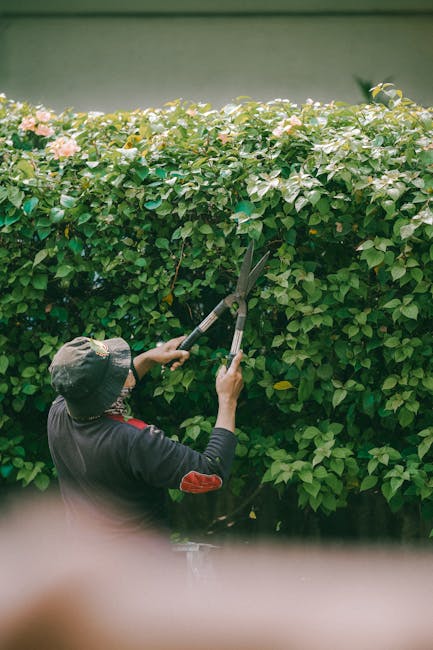
Front gardens also depend heavily on edges and structure. A neat hedge line, a trimmed boundary, or a simple run of low planting can make a frontage feel intentional even when the planting itself is minimal. That is one reason many homeowners bring in hedge trimming as part of frontage care. Likewise, if the space includes a lawn, regular lawn mowing keeps the whole area looking sharper than an occasional dramatic cut ever could.
Where trees are involved, the work becomes a little more careful. Light levels, branch spread, and root competition can all change how a front garden behaves. If a tree is damaging the balance of the space or interfering with safety, then tree lopping and removal may be part of the conversation, although that is not something to rush into. Good practice is to solve the problem with the smallest sensible intervention.
Key Benefits and Practical Advantages
The real value of a well-managed frontage is not just "it looks nicer." That is true, but a bit too shallow. The stronger benefits are more grounded:
- Better kerb appeal: a frontage with clear lines and healthy planting makes the whole property feel more cared for.
- Less weekly stress: when the layout is sensible, tidying takes minutes rather than a whole Saturday morning.
- Safer access: clear paths, controlled growth, and tidy edges reduce trip hazards and blocked entrances.
- More seasonal resilience: front gardens that are planned around local conditions cope better with wet winters and dry spells.
- Stronger first impressions for visitors or buyers: people decide a lot in the first few seconds, whether they mean to or not.
- Lower long-term cost: regular care is usually cheaper and less disruptive than letting the frontage slide and then having to rebuild it.
There is also a quieter benefit people forget: pride. Not showy pride, just that nice feeling when your house looks settled. You pull up after work, see the border trimmed, the lawn edged, maybe a couple of well-chosen shrubs doing their job, and the place feels looked after. That matters more than we sometimes admit.
If sustainability matters to you, front gardens can support that too. Choosing plants that suit the site, reducing waste, and avoiding constant rework all help. The company's approach to recycling and sustainability is relevant here because frontage work often generates cuttings, soil, and mixed green waste that should be handled sensibly.
Who This Is For and When It Makes Sense
This guide is useful for a wide range of CR2 property owners and residents. In our experience, the people who benefit most are not always those with the biggest gardens. Often it is the homeowners with smaller, more visible frontages who feel the pressure most.
You may need this kind of service if:
- your front garden has become overgrown or uneven;
- the path to the door is being narrowed by planting or self-seeded growth;
- your hedges, shrubs, or lawn need regular care but you do not have the time;
- the frontage feels tired and you want a cleaner, more modern look;
- you are preparing a property for sale, tenancy change, or a new arrival in the family;
- you want a low-maintenance front layout rather than a high-effort display;
- you need help making the garden safer and easier to access in wet weather.
It also makes sense if you are comparing options. Maybe you are wondering whether you need routine maintenance, landscaping, or a more structural change. That is a fair question. A simple frontage can often be improved through maintenance alone, but if the soil levels are wrong, the layout is awkward, or the current design fights the house rather than complements it, then a more considered landscape gardening approach may be better.
Sometimes people wait too long because they think the frontage is "not bad enough" to justify help. Truth be told, that is often the perfect time to act. Small problems are cheaper and tidier to solve. Waiting until the hedge is blocking the window and the border is a tangle usually makes the job heavier than it needed to be. Funny how that works.
Step-by-Step Guidance
If you want a frontage that stays attractive without becoming high maintenance, follow a simple sequence. It keeps decisions practical and stops the project from spiralling into a bigger job than you wanted.
- Assess what the frontage actually does. Is it mainly for access, appearance, parking edge definition, or a small amount of planting? Be honest here. Design should serve use, not the other way round.
- Clear away clutter and dead growth. Start with anything that blocks the path, looks scruffy, or creates a maintenance headache. A clear base makes every later decision easier.
- Check the structure. Look at hedges, fences, border lines, lawn edges, raised beds, steps, and sightlines. A frontage with good bones is much simpler to maintain.
- Decide what stays and what goes. Keep healthy, well-placed planting. Remove anything that causes shade problems, blocks access, or needs more work than it gives back.
- Build around maintenance level. If you do not enjoy constant pruning, choose slower-growing shrubs and simpler borders. If you love a planted look, accept that it will need more attention.
- Add definition. Clean edges, clear paths, and well-shaped beds instantly improve presentation. This is one of those boring details that makes a huge difference.
- Set a seasonal routine. Frontages rarely fail all at once. They drift. A monthly check-in, plus seasonal pruning and cutting, keeps the space in good shape.
For many homes, the practical starting point is routine care rather than a full redesign. Services like garden maintenance and lawn mowing can restore order quickly. If the frontage needs a more polished finish or structural improvements, then a wider review through landscaping may be the next step.
Expert Tips for Better Results
Here are the kinds of things experienced gardeners tend to notice early, before a frontage gets difficult.
- Keep the eye-line uncluttered. A path to the front door should feel open and obvious. If visitors have to squeeze past a shrub or guess where to step, the layout is doing too much.
- Use repetition sparingly. Repeating one or two plant types often looks smarter than mixing five different ideas. The effect is calmer, and honestly, less likely to look messy by August.
- Choose plants that behave. Frontages are not the place for anything that flops, spreads wildly, or drops a lot of debris unless you are happy to keep up with it.
- Trim before things become obvious. A hedge trimmed just before it starts to bulge can save a lot of visible disorder. Wait too long and it starts to look like a haircut left a bit late.
- Think about wet weather. In a Sanderstead winter, a frontage that drains badly will show it fast. Mud near the entrance is annoying, and a little bit grim to be fair.
- Plan for the worst view. See the garden from the street, in dull weather, and at dusk if possible. That is how most people experience it.
A useful rule: if a feature does not improve either access or appearance, question whether it belongs there. That does not mean front gardens should be bare. Not at all. It just means every plant, border, and path should earn its keep.
If you are choosing a service provider, it is sensible to look beyond the gardening itself. Clear communication, insured work, and straightforward terms matter. Pages like about the company, insurance and safety, and health and safety help you judge professionalism properly rather than guessing.
Common Mistakes to Avoid
Frontages go wrong in predictable ways. The good news is that most of them are fixable once you spot the pattern.
- Overplanting the space. A small front garden can look crowded very quickly. Too many plants create maintenance work and hide the house.
- Ignoring the entrance path. A beautiful border is not much use if the path is narrow, slippery, or always being brushed by leaves.
- Using the wrong scale. A big shrub in a modest frontage can dominate the whole property. Scale matters more than most people think.
- Letting hedges become walls. Dense growth may offer privacy, but it can also darken the frontage and make the entrance feel closed off.
- Skipping the routine. Front gardens are visible, so neglect shows quickly. A little regular work beats an occasional heroic clean-up.
- Choosing maintenance-heavy features by accident. Decorative gravel, fussy planting, or clipped shapes can be lovely, but only if you want to maintain them.
There is a less obvious mistake too: treating every front garden as if it should look the same. It should not. A compact CR2 entrance, a wider suburban frontage, and a property with mature trees all need different solutions. That is where local judgment matters.
Tools, Resources and Recommendations
You do not need a huge kit to keep a frontage in decent shape, but the right tools make work cleaner and safer. For simple upkeep, a decent pair of shears, secateurs, a lawn mower, edging tools, and a rake are usually enough. For more involved work, professional equipment can make trimming, lifting, clearing, and shaping much quicker.
Where services are concerned, it is worth matching the job to the task rather than assuming one service covers everything. For example:
- Lawn mowing suits regular turf upkeep and presentation.
- Hedge trimming is best when borders, screens, or boundary planting are starting to encroach.
- Garden clearance is the right reset when the frontage has drifted too far.
- Decking services may be relevant where a frontage or entrance area includes a raised or defined hard-landscape feature, though this is more situational than common.
If you are trying to decide what is realistic within your budget, the pricing and quotes page is the sensible place to start. It is always better to ask early than to guess, then discover the job is either much smaller or much larger than you expected. Happens all the time.
For householders who care about process and trust, a few support pages are worth noting as part of a due-diligence check: payment and security for how transactions are handled, terms and conditions for service expectations, and complaints procedure if you ever need clarity on how concerns are dealt with. Hopefully you never will, but it is reassuring to know it exists.
Law, Compliance, Standards, or Best Practice
Front garden work is not usually a heavily regulated activity in the way some trades are, but that does not mean standards do not matter. Good practice in the UK typically includes safe working methods, respect for boundary lines, sensible waste handling, and care around trees, access points, and neighbouring properties. If a frontage includes a tree, protected planting, or awkward shared access, it is wise to proceed carefully and ask questions before any major cutback.
For homeowners, the practical side of compliance is often about avoiding nuisance and preventing accidents. Keep paths clear. Do not let overgrowth block visibility. Be cautious with anything that could fall onto a pavement, driveway, or neighbour's boundary. If waste is being removed, make sure it is handled properly and in line with agreed service terms. That last point sounds obvious, but it is one of those things people forget when the pile of cuttings starts looking larger than expected.
Service providers should also operate with appropriate insurance and clear policies. That matters because frontage jobs can involve tools, ladders, cutting equipment, and manual handling. The relevant policy pages on the site, including insurance and safety and health and safety policy, are useful signals that the work is being approached properly.
If you value responsible working, it is also sensible to review a company's approach to accessibility and sustainability. A frontage should not become harder for residents or visitors to use, and green waste should not just disappear into a black bag with a shrug. Small things, but they tell you a lot.
Options, Methods, or Comparison Table
Frontages can usually be improved in a few different ways. The right one depends on how much structure you already have, how much time you want to spend on upkeep, and how quickly you need the garden to look better.
| Approach | Best for | Typical result | Maintenance level |
|---|---|---|---|
| Routine maintenance | Front gardens that are already in decent shape | Cleaner, sharper, more consistent presentation | Low to moderate |
| Clearance and reset | Overgrown or neglected frontages | Immediate improvement and a usable base | Moderate after the reset |
| Targeted pruning and edging | Front gardens with good structure but messy details | Better definition, light, and access | Low |
| Full landscaping | Frontages with poor layout, drainage, or tired design | Longer-lasting transformation | Depends on design choices |
The simplest option is often the best one. If a frontage already has solid structure, routine upkeep can be enough. If the site is fighting itself, then a larger intervention may save frustration later. A lot of good gardening is simply choosing the right scale of response.
Case Study or Real-World Example
Here is a realistic example based on a common kind of CR2 frontage. Imagine a semi-detached house with a narrow front path, a small lawn to one side, and two hedges that used to look neat but have now grown into the entrance space. The garden is not a disaster. Not at all. But every week it feels a bit untidy, and the home no longer has the crisp look it once did.
The first visit would likely focus on clearance: removing dead growth, cutting back the hedge line, lifting fallen leaves, and checking what is actually worth keeping. The lawn might then be mown and edged, and the borders simplified so the entrance feels open again. If the soil around the path edge is poor, a small redesign may be needed so the same mess does not come back within a month.
What usually surprises people is how much difference the boring jobs make. Not the flashy ones. The edge that is straightened. The hedge that is reduced by just enough. The path that can finally breathe. By the end, the frontage looks calmer rather than merely "tidied," and that calmer look tends to last longer.
In a case like this, a mix of garden maintenance, hedge trimming, and perhaps a light form of landscape gardening gives the best long-term result. No drama, no overcomplication. Just a frontage that works properly again.
Practical Checklist
Use this checklist before booking work or starting a frontage tidy-up yourself.
- Can visitors reach the front door without squeezing past plants or debris?
- Are hedges, shrubs, and trees keeping a sensible shape and size?
- Does the frontage look clean from the street, not just from the doorway?
- Is the lawn healthy enough to keep, or would a simpler layout work better?
- Are the borders tidy, edged, and planted with realistic maintenance in mind?
- Is there any overgrowth affecting light, visibility, or safety?
- Would clearance first make the next steps easier?
- Do you want a quick refresh, a better routine, or a deeper redesign?
- Have you checked the company's service information, policies, and quote process?
- Will the result be easier to maintain in six months, not just nicer today?
If you can answer most of those confidently, you are already in a strong position. If not, no worries. That just means the frontage needs a clearer plan, not more panic.
Conclusion
A good frontage in CR2 is not about overdoing it. It is about making the front of the home feel easy to use, easy to maintain, and pleasant to come back to. The best results usually come from small, sensible decisions: clearer edges, simpler planting, reliable mowing, careful trimming, and a layout that fits the house rather than fighting it.
For many Sanderstead homes, the winning formula is a mix of routine upkeep and a thoughtful one-off reset. If you start with the right priorities, the garden becomes less of a chore and more of a quiet asset. And really, that is the point. You should be able to look at the front of your home and feel it is doing its job without demanding your entire weekend.
If you are ready to improve your frontage, take the next step by reviewing the service options, checking the relevant policies, and asking for a quote that reflects the actual condition of the space. A small amount of clarity now can save a lot of effort later. And yes, it really can make the whole place feel better, even on a grey Tuesday morning.
Get a free quote today and see how much you can save.
Frequently Asked Questions
What does a CR2 garden frontages guide for Sanderstead gardening services actually cover?
It covers the practical care, maintenance, and improvement of front gardens in the CR2 area, with a focus on presentation, access, upkeep, and sensible service choices.
Do front gardens need different care from back gardens?
Yes. Front gardens are more visible, more likely to affect first impressions, and often need clearer access. They usually benefit from neater edges, simpler planting, and more regular upkeep.
How often should a frontage be maintained?
That depends on the layout and planting, but many frontages look best with light, regular attention rather than occasional deep tidy-ups. Lawns, hedges, and borders all behave differently.
Is garden clearance necessary before frontage improvements?
Not always, but it is often the smartest first step if the area is overgrown, cluttered, or hard to assess properly. Clearing the space makes the next decisions easier.
Can a small front garden still make a big difference to kerb appeal?
Absolutely. In fact, smaller frontages often have the biggest visual impact because every part of them is easy to see. A tidy entrance path and clean edges can change the whole feel.
What if my frontage has a lot of shade?
Shaded front gardens need more careful plant selection and often less lawn. In many cases, a shift toward structural planting, mulching, or lower-maintenance options works better.
Should I choose landscaping or maintenance?
If the frontage is basically sound but untidy, maintenance may be enough. If the layout is awkward, the soil is poor, or the space keeps failing in the same way, landscaping may be the better call.
Are there safety issues with overgrown front gardens?
There can be. Blocked paths, hidden steps, loose branches, and poor visibility are all common issues. Front gardens should be kept clear enough for safe entry and exit.
How do I know if hedge trimming is enough?
If the main issue is size, shape, or encroachment, hedge trimming may be enough. If the whole frontage feels overrun, it may need trimming plus clearance and a broader tidy-up.
What should I ask before booking gardening services in Sanderstead?
Ask what is included, how waste will be handled, whether the service is insured, and how pricing is structured. It also helps to ask what the realistic outcome will be after one visit.
Can I keep a low-maintenance frontage without making it look bare?
Yes. The trick is using a restrained palette, keeping the structure neat, and choosing plants that carry visual interest without demanding constant attention.
How do I prepare for a quote?
Walk the frontage and note the main issues: overgrowth, lawn condition, access problems, broken edges, drainage trouble, or clutter. A clear brief helps produce a more accurate quote.
Where can I learn more about the company and its standards?
Useful starting points include the about us page, services overview, and policy pages such as insurance and safety and recycling and sustainability.